Film vs Digital Photography: Why I Shoot Both
An exploration of two different mediums and why there's room for both in modern photography.
In an industry where technology is constantly evolving, there's something interesting about choosing to work with a medium that's been around for generations.
Film photography has made quite the comeback in recent years. What was once the standard has become something of a novelty again, particularly among photographers and creatives drawn to its distinctive colours, texture and unpredictable nature.
But for me, shooting film isn't about rejecting digital photography or trying to recreate the past. I genuinely enjoy both mediums, and for very different reasons.
Each has its own strengths, limitations and visual characteristics. And rather than choosing one over the other, I've found that combining them gives me more room to experiment creatively.
The Appeal of 35mm Film
There's a certain character to film photography that's difficult to replicate exactly. Sure you can edit your digital images to be "film like" but it's neverrr the same.
The way different film stocks interpret colour, the texture of the grain, the transition between highlights and shadows. Even the occasional light leak or unexpected result can contribute something interesting to an image.
Unlike digital photography, where you can immediately review an image on the back of your camera, film requires a little more trust in the process.
You make your decisions about exposure, composition and timing without the reassurance of an instant preview.
And with a limited number of exposures per roll, there's a little more consideration behind each frame.
That doesn't necessarily make film photography better or more authentic than digital. It's simply a different way of working.
One that I find particularly enjoyable.
What Digital Photography Brings to the Table
As much as I love film, digital photography is an equally important part of my work.
Digital cameras offer an incredible amount of flexibility, particularly when working with changing lighting conditions, movement and unpredictable moments.
Being able to review images as I shoot allows me to experiment with composition, adjust exposure and make creative decisions in real time.
There's also significantly more control during the editing process.
Working with RAW files gives me the flexibility to develop a consistent visual style while preserving detail, adjusting colour and refining the overall atmosphere of an image.
For my photography, that often means warmer tones, rich shadows, natural skin colours and a slightly cinematic finish.
Digital photography isn't necessarily about creating perfectly sharp, polished images either.
I can experiment with intentional motion blur, unconventional framing, direct flash and unusual lighting just as easily with a digital camera.
The creative possibilities aren't limited by the medium.
Two Mediums, Two Different Results
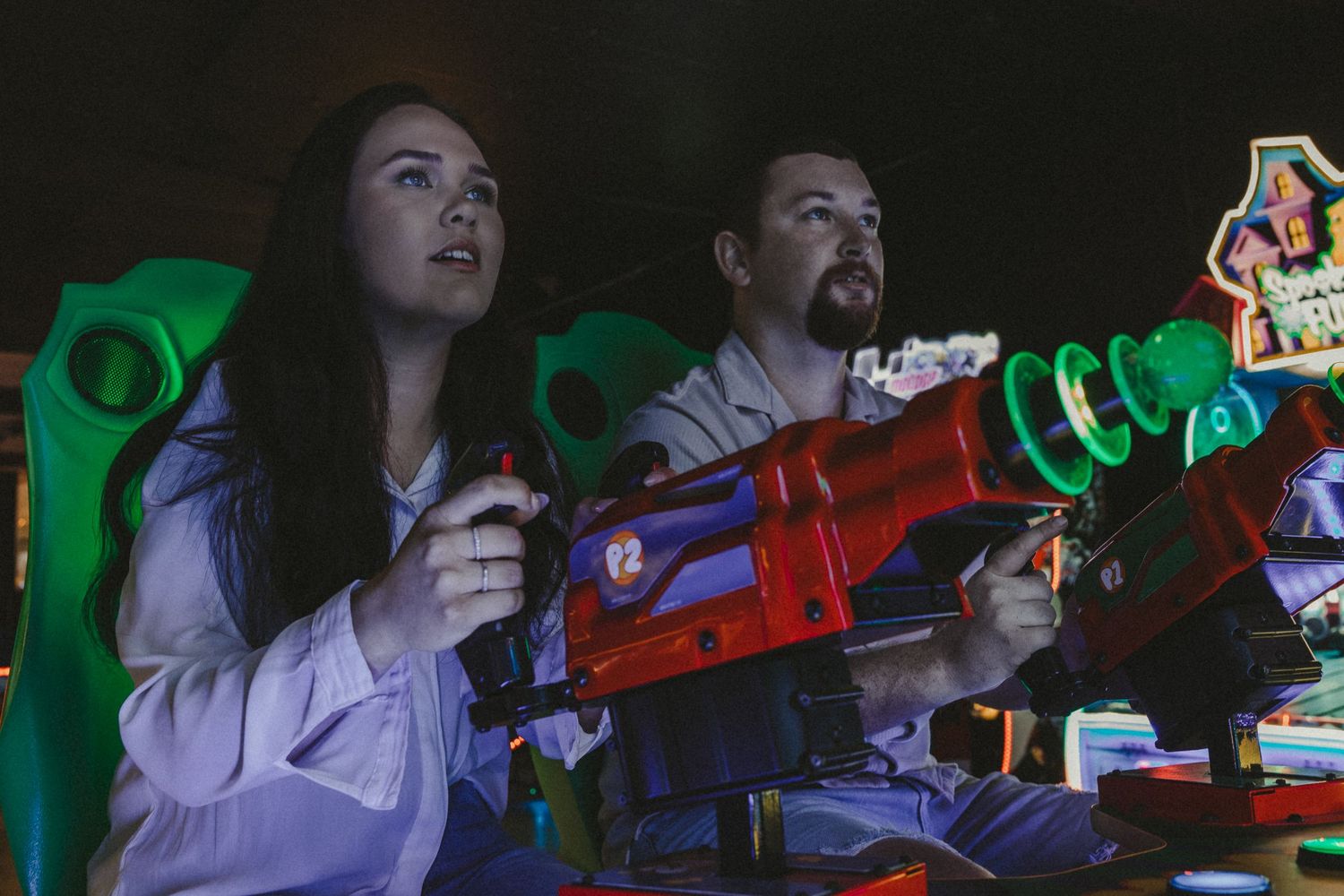
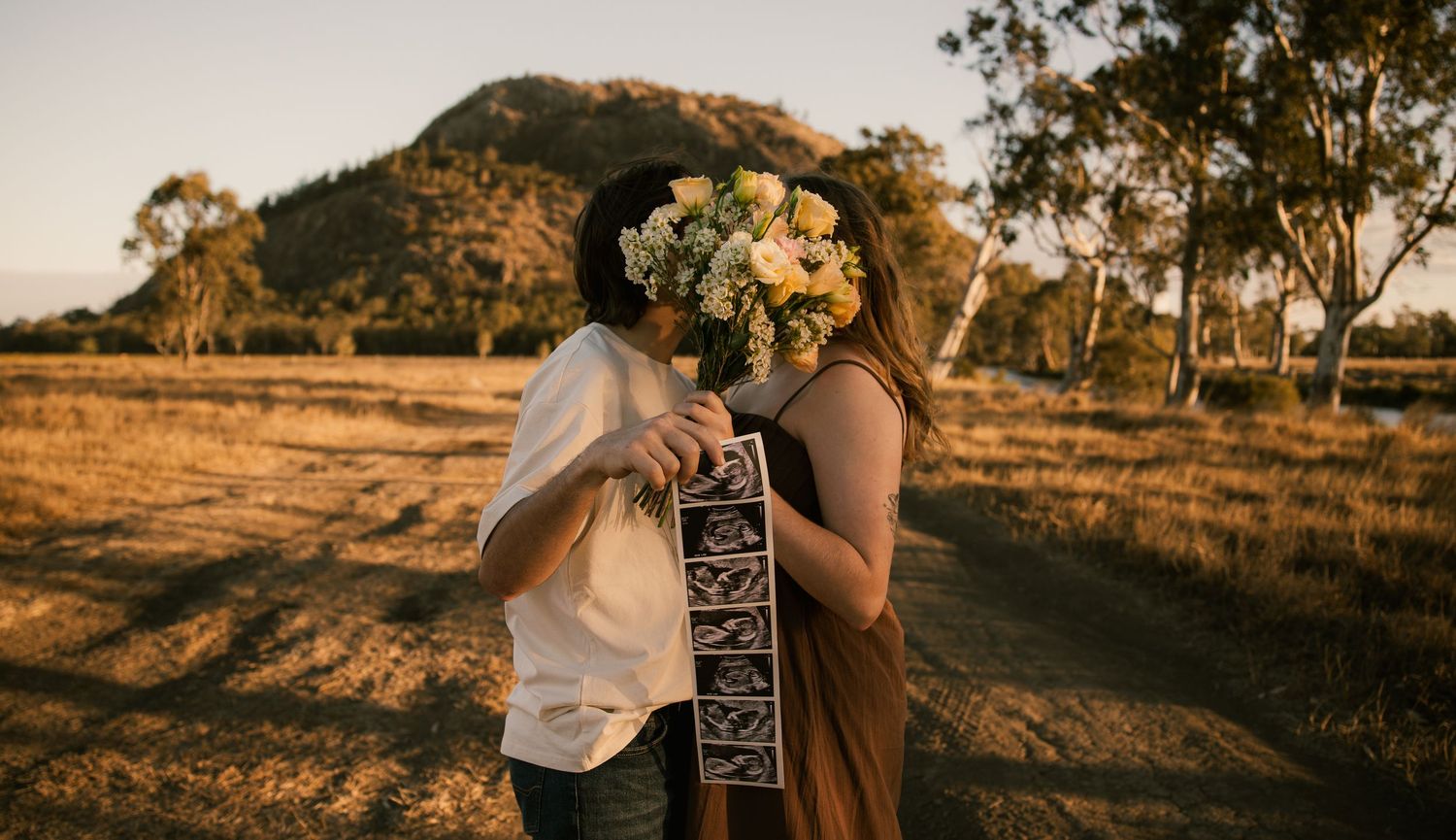
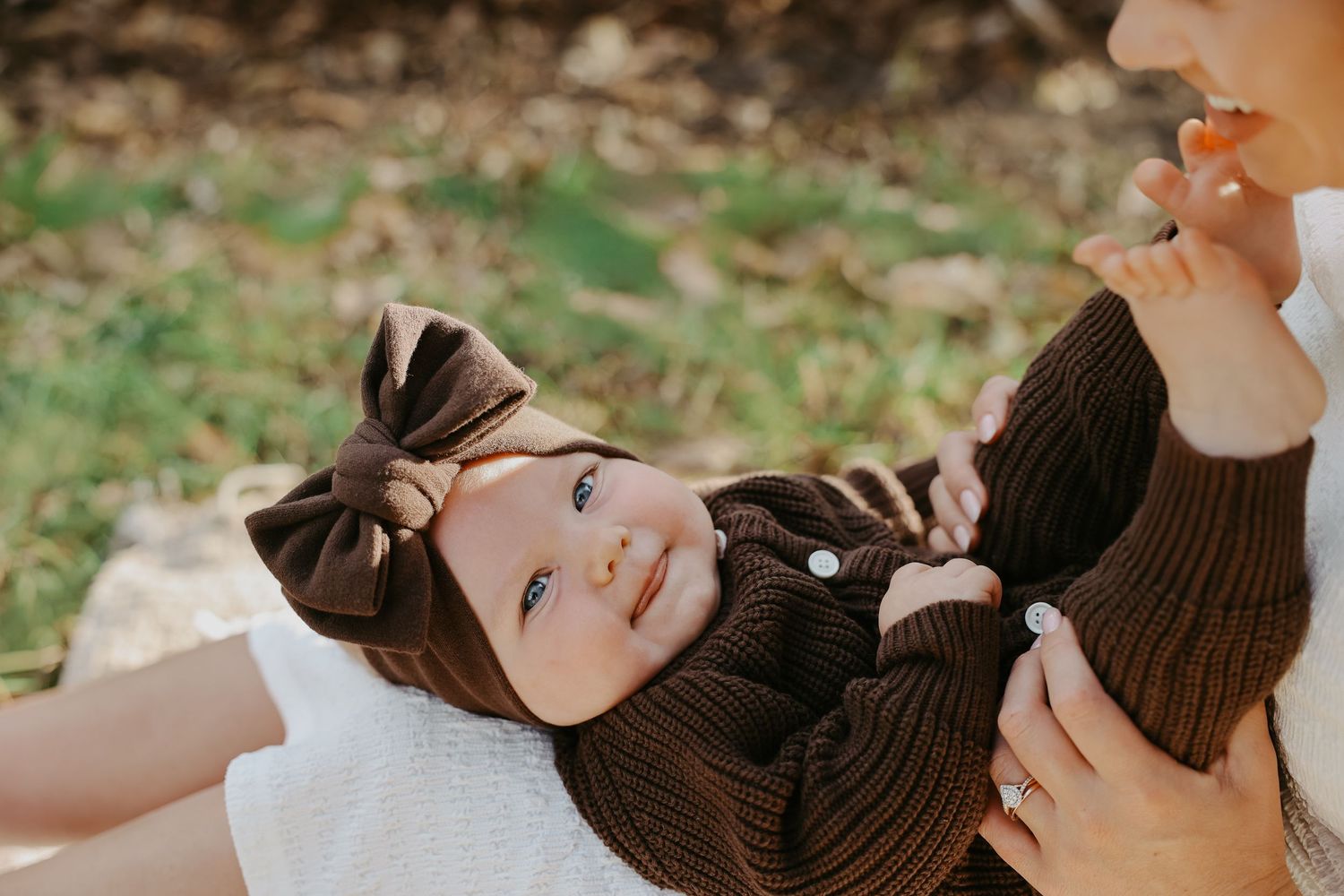
One of the most interesting parts of shooting film and digital together is seeing how differently they interpret the exact same environment.
A scene photographed on 35mm film can have a noticeably different colour palette, contrast and texture from its digital counterpart.
Film stocks have their own characteristics, and the final result is influenced by everything from exposure and lighting to development and scanning.
Digital files, on the other hand, give me more flexibility to shape those characteristics during editing.
Neither result is necessarily more accurate or more beautiful.
They're simply different interpretations of the same moment.
And I think that's what makes mixed-media photography so interesting.
Why I Started Combining Film and Digital
I've always been drawn to photography with a sense of atmosphere.
Old photographs, cinema stills, vintage colour palettes and images that don't feel overly polished have all influenced the way I approach my own work.
Shooting film felt like a natural extension of those interests.
But I never wanted my digital work to become secondary.
Instead, I wanted to explore what happens when both mediums are used throughout the same session.
Digital allows me to work freely, experiment with different compositions and document the session with greater flexibility.
Film introduces another visual perspective. It encourages me to slow down, be selective and approach certain frames a little differently.
The resulting gallery becomes a combination of two processes, each contributing something distinct.
It's not about making the digital images look like film or trying to make every photograph match perfectly.
It's about allowing both mediums to retain their individual character while still feeling like part of the same body of work.
The Unpredictability of Film
Of course, shooting film comes with its limitations.
Unlike digital photography, where files can be reviewed and backed up immediately, film remains unseen until it's developed and scanned.
Exposure errors, mechanical issues, development problems and other unexpected results are all possibilities.
Not every frame will turn out exactly as intended, and occasionally a frame won't turn out at all.
That's simply part of working with an analogue process.
While I take care when exposing and handling film, there's always an element of uncertainty involved.
It's also why I particularly enjoy incorporating film alongside digital photography during client sessions.
I can explore the creative qualities of film while still relying on digital photography to document the session more comprehensively.
What Is a Mixed-Media Photoshoot?
A mixed-media photography session combines images captured on both digital and analogue film cameras.
Throughout the session, I alternate between the two mediums, choosing which camera to use depending on the light, composition and overall direction of the photographs.
Some moments lend themselves beautifully to the texture and colour of 35mm film. Others benefit from the flexibility and precision of digital photography.
The finished gallery includes a combination of both.
Rather than receiving two identical sets of images, you're getting two different visual interpretations of your session.
For anyone drawn to vintage aesthetics, editorial photography or imagery with a little more texture and character, it's an interesting alternative to a traditional digital-only session.
There's Room for Both
I don't believe film photography is inherently superior to digital, or that digital photography somehow lacks the character of analogue.
Both are capable of producing beautiful, thoughtful work.
Ultimately, the camera is only one part of the process. The photographer's perspective, creative decisions and connection with the subject matter just as much.
For me, shooting both is about having more creative freedom.
Some images feel right on film. Others work better digitally. And sometimes, it's worth exploring the same scene through both.
I don't see any reason to choose just one.
If you're curious about combining film and digital photography for your next session, you're welcome to get in touch to discuss an idea, I'm always up for the wild ideas!
Love, Summer
FILM & DIGITAL PHOTOGRAPHY IN ROCKHAMPTON
Opal Eye Photos is a Rockhampton-based photography studio offering couples, maternity, family, portrait and creative editorial photography throughout Central Queensland, Yeppoon and the Capricorn Coast.
Alongside digital photography, I offer mixed-media sessions incorporating 35mm colour film for clients interested in a different photographic experience.